

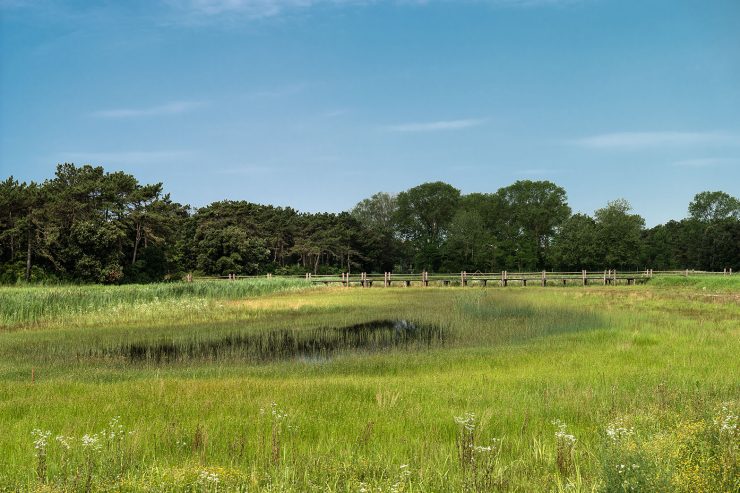
In the realm of sustainable tourism, there are moments when nature sends a strong, clear, and measurable signal. Such is the case with the Nightjar (Caprimulgus europaeus) — an elusive nocturnal bird, rarely seen but crucial for those who work in biodiversity conservation.
In 2025, right within the Biodiversity Park of Lino delle Fate Eco Resort — nestled in one of the protected ecosystems of the Natura 2000 network — the nesting of the Nightjar was confirmed. An event with both scientific and symbolic significance, telling a story of harmony between humans and nature.
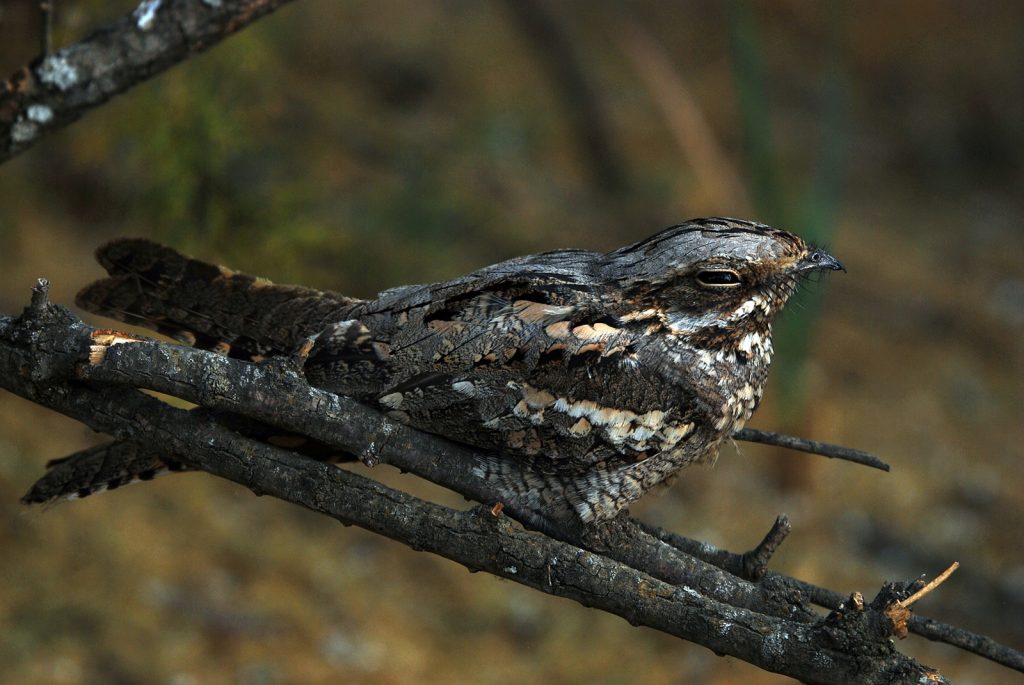
The Nightjar: A Key Bioindicator
The Nightjar is a nocturnal, elusive species with a fascinating biology. But more than its behavior, it stands out for its sensitivity to environmental impacts:
- it avoids degraded habitats,
- it avoids degraded habitats, does not nest in areas of intensive agriculture,
- disappears where insecticides are used or human disturbance is excessive.
For this reason, its presence is considered a bioindicator — a sentinel that reveals the health of ecosystems. The fact that it chooses to reproduce in an area like the Lino delle Fate Eco Resort indicates that human impact is low, and that the environmental quality is high enough to ensure the survival and reproductive success of such a vulnerable species.
Tourism and Nature: A Virtuous Model
The context becomes even more meaningful when we consider that the Nightjar chose to nest near an active tourist facility, in an area that is both promoted and accessible. This demonstrates that the idea of sustainable tourism can move beyond theory and become practice — when the project is built on solid foundations:
- Integrated planning with the surrounding environment,
- Non-invasive design choices,
- Active management of landscape and habitats,
- Scientific monitoring and collaboration with experts.
For us, sustainability is an ongoing process — one made of continuous scientific monitoring, active conservation efforts, and a landscape management approach that prioritizes ecological balance above all.
The presence of the Nightjar is proof that our actions lead to measurable results. A biological fact — but also a powerful testament that coexistence between tourism and nature is not only possible, but real.
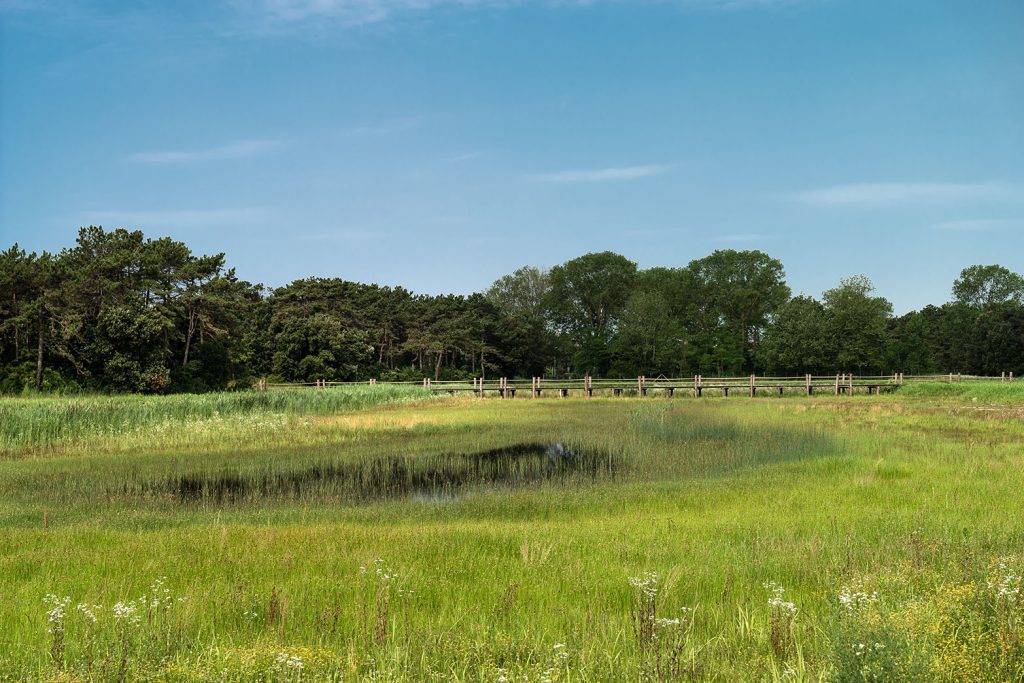
A Project That Acts, Not Just Observes
The return of the Nightjar is no coincidence. It is the result of a careful, consistent, and multidisciplinary approach that brings together:
- Active conservation of species and habitats,
- Scientific engagement through professional studies and research,
- Mindful management of the interaction between humans and nature,
- Enhancement of the land not as mere “scenery,” but as a living heritage to be protected.
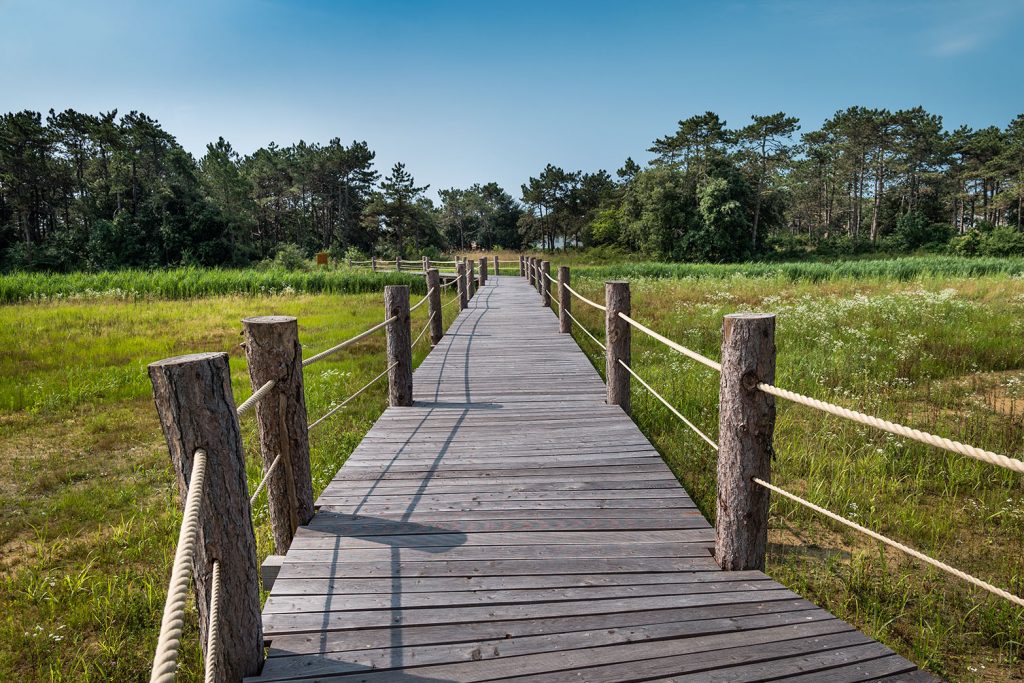
We will continue on this path. Guided by our love for the land and by nature itself..
Edited by Naturalist Dr. Michele Pegorer

 Redazione Etgroup


Add comment